
For a long time, search engines relied almost entirely on text. If you wanted to find an image, you typed a few words and hoped the surrounding captions, filenames, or alt text pointed you in the right direction. That approach worked when the web was mostly text driven. Today, it falls short. The internet has become deeply visual, shaped by social media platforms, image sharing sites, and visual first content where pictures often travel without proper context or explanation.
As images started spreading faster than words, traditional keyword based search began to show its limits. A photo can be reposted thousands of times with different captions, altered slightly, or stripped of its original source. In those situations, text alone is unreliable. This gap is exactly where image search techniques emerged.
Modern image search techniques focus on the image itself. They analyze visual patterns, objects, colors, and even hidden data to understand what an image represents and where it may have appeared before. This shift was also driven by the rise of misinformation. Viral images taken out of context can shape opinions quickly, and verifying them requires more than reading a headline.
Image search techniques evolved as a response to these challenges, giving users ways to search, verify, and understand images in a world where visuals often speak louder than words.
What Image Search Techniques Actually Mean in Practice
Image search techniques are often misunderstood as a single action. Many people think it simply means uploading a picture into a search engine and waiting for results to appear. In practice, it is far more nuanced than that. Image search techniques refer to a set of methods used to examine, compare, and interpret images based on visual information rather than words.
At their core, these techniques focus on how an image is analyzed. This includes looking at visual elements such as shapes, textures, objects, and patterns, as well as technical details like image structure and embedded data. Different techniques are applied depending on the goal. Finding the original source of an image requires a different approach than verifying whether an image has been edited or understanding how it is being used online.
Another important aspect is comparison. Image search techniques rarely rely on a single result or tool. Effective analysis often involves cross checking the same image using multiple methods to identify similarities, differences, and context. This process helps reduce false assumptions that can come from trusting one match.
In real world use, image search techniques act as a workflow rather than a button click. They combine visual analysis, contextual evaluation, and critical thinking to arrive at reliable conclusions about an image and its origins.
Core Methods Used in Image Search Techniques
At the heart of image search techniques are a few core methods, each designed to answer a different kind of question about an image. Understanding these methods helps clarify why image search is not a one size fits all process, but a set of approaches applied based on intent.
Reverse image search as a discovery method
Reverse image search is often the first step when trying to understand an image. Instead of asking what an image shows, it asks where the image has appeared before. This method compares an uploaded image against large collections of indexed images to surface visually similar matches. It is especially useful for discovering original sources, tracking reuse, and finding variations of the same visual across different websites. While powerful, it works best when combined with other techniques rather than used in isolation.
Visual search based on objects and patterns
Visual search techniques focus on identifying elements within an image, such as objects, shapes, scenes, or patterns. Rather than matching an image as a whole, this method breaks it down into components and looks for visual relationships. It is commonly used when the goal is to find related images, products, or scenes that share visual characteristics, even if they are not exact matches.
Image verification through cross checking and context
Image verification techniques aim to answer whether an image is authentic and properly represented. This involves comparing results across multiple searches, reviewing surrounding content, and checking how the image has been used over time. Context plays a critical role here, as the same image can convey different meanings depending on where and how it appears.
Image analysis using metadata and visual signals
This method looks beneath the surface of an image. Metadata, image structure, and visual signals can reveal clues about when an image was created, how it was modified, and how search systems interpret it. Combined with visual analysis, this approach adds depth and reliability to image search techniques and often leads readers to explore more detailed guides for each method.
Reverse Image Search Explained Simply
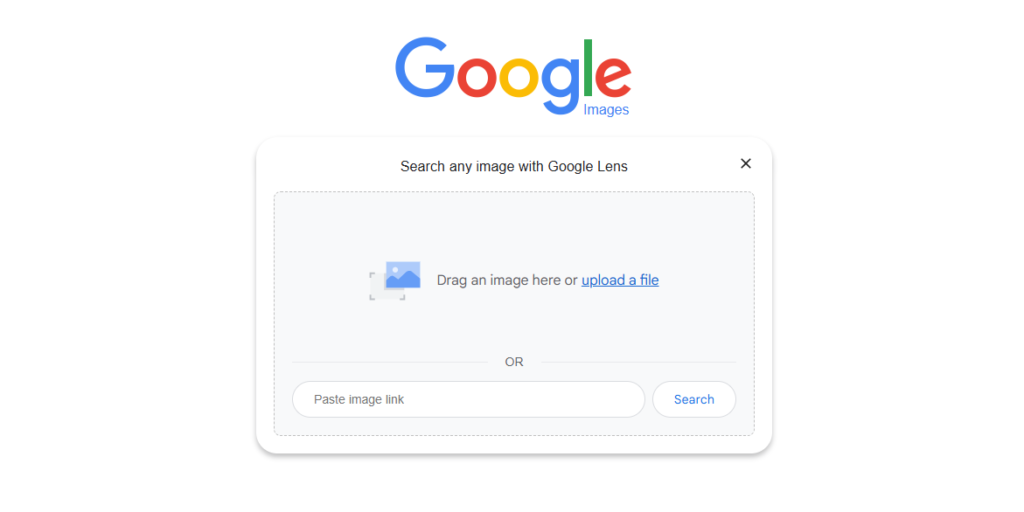
Reverse image search works by flipping the traditional search process on its head. Instead of starting with words, it begins with the image itself. Behind the scenes, search systems analyze the visual features of an image and convert them into mathematical patterns. These patterns represent elements such as shapes, color distribution, edges, and textures. The system then compares those patterns against vast image indexes to find visually similar results.
This approach works especially well when an image is widely used, has clear visual features, or exists in relatively unchanged forms online. Photographs that have been shared across multiple websites, news platforms, or social networks are often easy to trace. Reverse image search is also effective for identifying stock images, spotting reused visuals, and finding higher quality versions of the same image.
However, reverse image search has its limits. Heavy cropping, significant edits, overlays, or extreme compression can reduce match accuracy. Images that are highly stylized, abstract, or newly published may return few or no results. In those cases, reverse image search alone may give a false sense of certainty or miss important context.
Results also vary across platforms because each search engine builds and maintains its own image index and uses different matching models. Some platforms are better at recognizing faces, others excel at detecting objects or subtle variations. Index coverage, update frequency, and visual analysis methods all influence what results appear.
This is why experienced users rarely rely on a single platform. Comparing results across different reverse image search systems often reveals patterns that one source alone might miss. Understanding these differences naturally leads into deeper guides on specific platforms, including Google and Yandex, where reverse image search behaves in distinct ways.
Visual Search Techniques and How Machines Read Images

Visual search works by teaching machines to look at images the way humans do, but in a far more structured and measurable way. Instead of seeing an image as a single picture, visual search systems break it down into components. Objects, colors, shapes, textures, and spatial relationships are all analyzed to understand what appears in the image and how those elements relate to one another.
When a machine examines an image, it looks for recognizable patterns. A skyline, a face, a logo, or a specific object shape becomes a signal. These signals are then compared against other images that share similar visual traits. This is why visual search can surface related images even when they are not exact matches. A chair photographed from a different angle or a landmark taken at a different time of day may still be considered visually similar.
It is important to understand that visual similarity does not mean identical images. Two images can share patterns or objects while representing entirely different contexts. A beach scene in one photo might suggest travel, while a similar scene in another could be part of an advertisement or news story. Visual search recognizes resemblance, not meaning.
This distinction explains both the power and the limitations of visual search techniques. They excel at finding relationships between images, but interpreting intent and context still requires careful human judgment.
Tools Commonly Used in Image Search Techniques
It is tempting to think that one powerful tool can handle every image search task. In reality, image search techniques rarely rely on a single platform or system. Each tool is built with a specific focus, and that focus shapes what it does well and where it falls short. Relying on just one source often leads to partial answers rather than reliable conclusions.
Different tools approach image matching in different ways. Some prioritize broad visual similarity, comparing overall shapes, colors, and composition. Others focus more narrowly on specific elements, such as faces, objects, or repeated patterns within an image. There are also tools that place greater weight on context, analyzing where and how an image appears across the web rather than how closely it matches another image visually. These differences explain why the same image can produce noticeably different results depending on the platform used.
Because of these variations, experienced users treat tools as complementary rather than competitive. One tool might surface visually similar images, while another reveals earlier appearances or alternate contexts. A third might uncover subtle edits or cropped versions that others miss. When these results are viewed together, patterns begin to emerge that are far more meaningful than any single match.
Combining multiple tools is especially important when accuracy matters. Misinformation, reused visuals, and edited images often evade simple searches. Cross checking results across platforms helps confirm whether an image has a consistent history or if its story changes depending on where it appears. This method first approach keeps the focus on understanding the image itself, with tools serving as aids rather than final authorities. In effective image search techniques, judgment comes from comparison, not convenience.
Image Verification Techniques for Authenticity and Context

Image verification techniques come into play when an image starts raising questions. This usually happens with viral visuals that spread quickly, often detached from their original source or meaning. A dramatic photo shared thousands of times can feel convincing at first glance, but verification is about slowing down and asking what the image actually shows and where it comes from.
In real world use, verifying a suspicious image starts with checking its history. Has it appeared online before. Was it originally published in a different context. An image tied to a breaking news event might turn out to be years old or taken from an unrelated situation. Image search techniques help surface earlier uses of the same visual, which often reveal how the narrative around it has changed.
Context misuse is one of the most common issues. An image may be genuine, but presented alongside misleading text or claims. A photo from a past protest, natural disaster, or public event can be reused to support a completely different story. Verification is not only about confirming whether an image is real, but also whether it is being represented honestly.
There are also common traps people fall into. One is trusting the first result that appears and assuming it tells the full story. Another is focusing only on visual similarity while ignoring surrounding information such as publication dates or source credibility. Edits, crops, and overlays can further distort perception and make false conclusions feel plausible.
Effective image verification techniques rely on comparison, patience, and context awareness. By cross checking sources and questioning how an image is framed, users can move beyond surface level impressions and reach conclusions that are far more reliable.
Image Search Techniques for SEO and Discoverability
Search engines do not see images the way humans do. They interpret images by analyzing visual signals, surrounding text, structured data, and how an image is placed within a page. Elements like filenames, alt text, captions, and page context help search systems understand what an image represents and when it should appear in results. Visual patterns and similarity also play a role, especially in image focused search experiences.
This is why image search matters for SEO. Images are no longer just supporting content. They can drive traffic on their own through image search results, visual discovery features, and rich search experiences. A well understood image can appear in multiple places across search platforms, while a poorly optimized one may remain invisible no matter how strong the page content is.
Optimization fits naturally into image search techniques when it is treated as part of a broader method, not a checklist. The goal is not to stuff keywords into image attributes, but to provide clear signals that align visual content with intent. Understanding how images are indexed, how they relate to surrounding content, and how users discover them helps bridge technical SEO with visual understanding. When image optimization supports image search techniques, discoverability becomes a byproduct of clarity rather than manipulation.
Image Copyright and Ownership in Image Search

Image search techniques are often used to answer a simple question that turns out to be anything but simple. Who owns this image. Finding the original source is usually the first step. By tracing where an image first appeared and how it spread across the web, it becomes easier to understand its origin and how it has been reused over time.
One common point of confusion is the difference between reuse and ownership. Just because an image appears on multiple websites does not mean it is free to use. An image may be shared, embedded, or reposted hundreds of times, while ownership still belongs to the original creator or rights holder. Image search helps reveal this pattern by showing how widely an image has traveled and which source appears earliest or most consistently.
Attribution and licensing matter because they define how an image can be used. Some images require credit to the creator, others allow reuse under specific conditions, and some are restricted entirely. Ignoring these details can lead to takedown requests or content removal, even when misuse is unintentional.
Practical image search techniques help users make informed decisions. By identifying original sources and understanding usage patterns, it becomes easier to respect ownership, give proper credit, and avoid problems that come from assuming availability where none exists.
Best Practices for Using Image Search Techniques Effectively
Image search techniques are most effective when they are treated as a process rather than a shortcut. One of the most important practices is using more than one method. Relying on a single approach can easily lead to incomplete or misleading conclusions. Reverse image search, visual search, and contextual checks each reveal different aspects of an image. When used together, they create a fuller picture that is far more reliable than any single result.
Comparing results instead of trusting the first match is another habit that separates casual use from expert practice. The top result is not always the original source, nor is it always the most accurate representation of how an image has been used. Different platforms surface different matches based on their own indexes and analysis models. Looking at several results side by side helps identify consistent patterns and exposes gaps or contradictions that deserve closer attention.
Critical thinking plays a central role, especially when evaluating visual similarity. Images that look alike are not necessarily the same image, and images that share the same subject can exist in entirely different contexts. A similar background, object, or scene can mislead users into assuming a direct connection where none exists. Taking time to examine details such as cropping, perspective, and surrounding content helps prevent false assumptions.
Effective image search techniques also require patience. Rushing through results often leads to surface level conclusions. Slowing down, cross checking findings, and questioning how and why an image appears in certain places allows users to move beyond appearance and toward understanding. This mindset is where real expertise begins to show.
Common Mistakes That Undermine Image Search Results
One of the most common mistakes people make with image search techniques is assuming that the first result tells the whole story. Top results often reflect popularity or recent reuse rather than originality. An image that appears widely across blogs or social media can easily outrank the original source, leading to false conclusions if results are not examined more carefully.
Ignoring publication dates is another frequent oversight. Images often resurface years after they were first published, especially during breaking news events or trending discussions. Without checking when an image originally appeared, it is easy to misinterpret its relevance or assume it depicts a current situation when it does not.
Confusing similar visuals with the same image also causes problems. Two images can share the same subject, background, or angle while being entirely separate photographs. Visual resemblance does not automatically indicate reuse or duplication. Small details such as cropping, lighting, or perspective can reveal important differences that are easy to miss at a glance.
Another mistake is relying on a single method or platform. Image search techniques work best when results are compared across multiple approaches. Skipping this step often leads to incomplete or misleading interpretations. Avoiding these mistakes requires patience, attention to detail, and a willingness to question initial assumptions rather than accepting them at face value.
Frequently Asked Questions About Image Search Techniques
What are image search techniques?
Image search techniques are methods used to search, analyze, and understand images using visual information instead of relying only on text. They help identify image sources, find similar visuals, verify authenticity, and understand how images appear across the web.
How accurate is reverse image search?
Reverse image search can be very accurate for widely used or unchanged images. Accuracy drops when images are heavily edited, cropped, compressed, or newly published. Results are more reliable when checked across multiple platforms.
Can image search detect fake images?
Image search techniques can help detect reused, edited, or misrepresented images, but they do not automatically label an image as fake. Verification requires checking image history, context, and how the image has been used over time.
Are image search techniques useful for SEO?
Yes. Image search techniques help improve how images are indexed, understood, and discovered by search engines. When applied correctly, they support better visibility in image search results and strengthen overall content discoverability.
How to Go Deeper With Image Search Techniques
Once you understand the core methods, the natural next step is to explore each image search technique in more detail. Image search is not something you master in one sitting. It deepens through practice, comparison, and exposure to different scenarios.
If tracing image origins is your main interest, detailed reverse image search guides can help you understand how different platforms interpret the same visual and why results often vary. These guides break down platform specific behavior and show how to refine searches when initial results are unclear.
For those curious about how machines interpret visuals, visual search articles offer deeper insight into object recognition, pattern matching, and scene analysis. They help explain why certain images are grouped together and how visual similarity is determined beyond surface appearance.
Tool comparisons are also worth exploring, not to find a single best option, but to understand strengths and limitations. Seeing how different tools handle the same image builds intuition and sharpens judgment. Over time, this comparison based learning makes it easier to choose the right approach for each situation.
Going deeper with image search techniques is about building confidence through understanding. The more you explore individual methods and test them across real examples, the more reliable and meaningful your image analysis becomes.